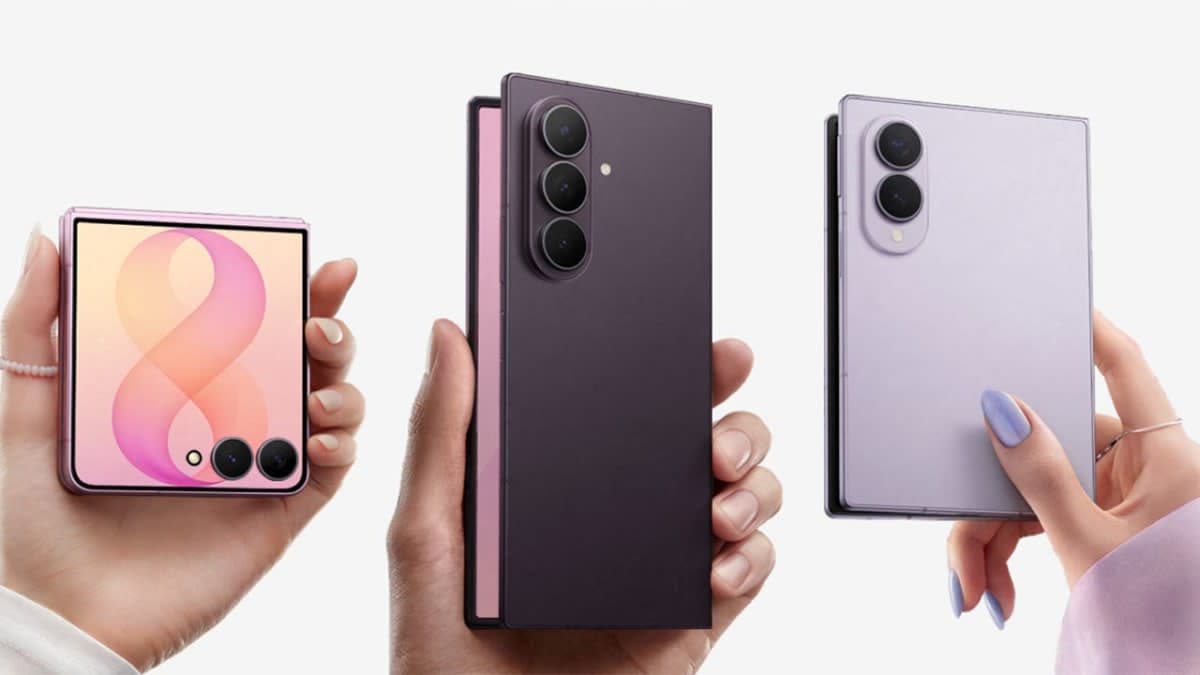
Samsung has just announced the Galaxy Z Fold8, and things have shifted a bit. There's now a brand new foldable form factor coming, and the good news is New Zealand is getting it, alongside the Fold8 Ultra and a Flip8. Oh, and the naming scheme has changed as well.
After seven generations of offering the same two shapes, a "book-style" and a "clamshell", Samsung has decided that the way to sell more folding phones is to make more kinds of folding phones. And to make things confusing, the Galaxy Z Fold8 is no longer the flagship. That job has been handed to the Fold8 Ultra.
So the naming is a mess, but the hardware underneath is more thoughtful than that suggests. And we cannot forget, two new watches have turned up as well.
Here's everything you need to know about Samsung's latest announcements here in New Zealand.
The Galaxy Z Fold8 is the new one?
The Z Fold8 is the most interesting thing Samsung has done with a foldable in years, and it's not just the flagship with bits removed. It's a phone built around a slightly different idea about what people want with the bigger unfolded screen.
See every Fold up until now has been sold as a pocket workstation, a device for running three apps at once, a multitasker's dream. But Samsung appears to have noticed that most people actually unfold the thing to watch videos, read books and scroll with a bit more real estate. So the Fold8 has been reshaped accordingly.
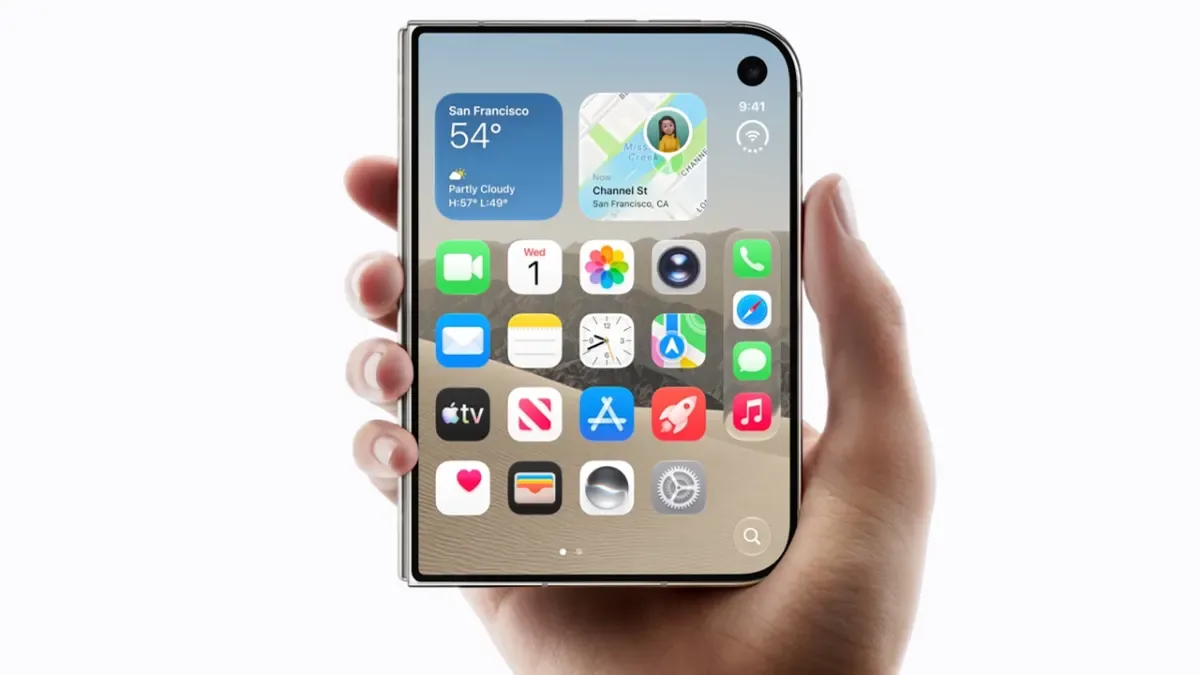
It's almost exactly the size of a passport. Folded, the cover screen is a 5.5-inch, 10:16 panel, unfolded, the 7.6-inch main display boasts a squarer 4:3 ratio that suits videos and games, and finally if you rotate it on its side it becomes a comfortable e-book for reading.
At 201g it's the lightest Galaxy Z Fold Samsung has built, measuring 4.5mm unfolded, and it carries the Snapdragon 8 Elite Gen 5 for Galaxy with a 4,800mAh battery.
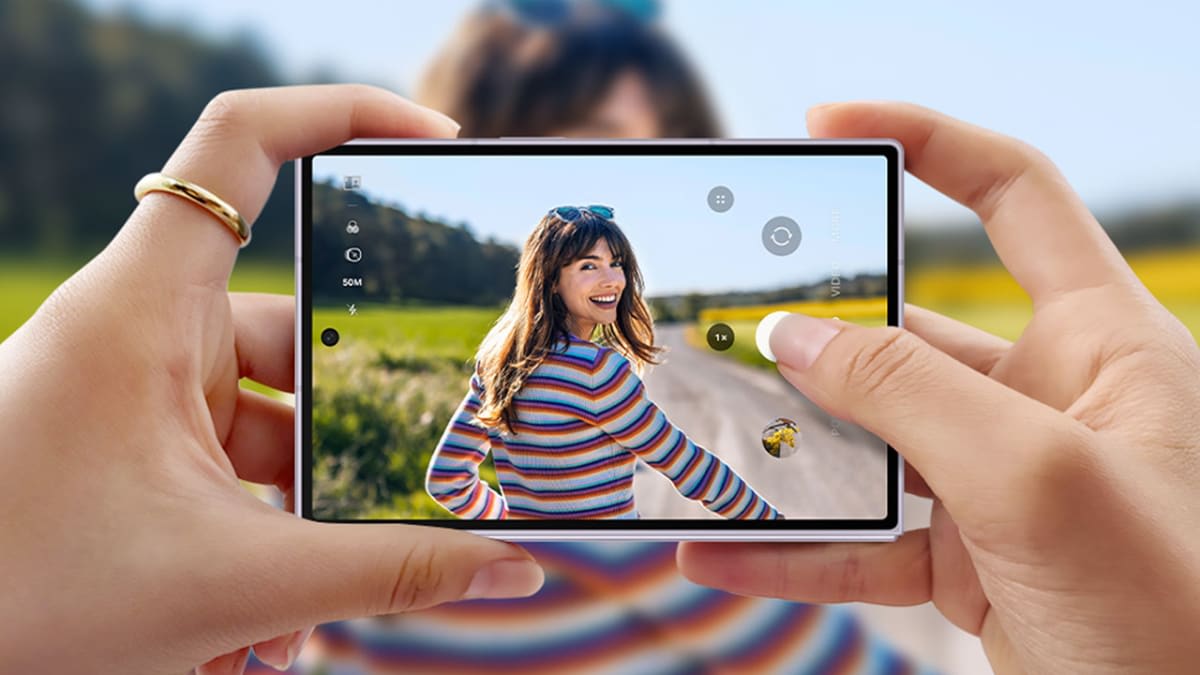
The camera capabilities do drop though. It's a dual 50MP wide and ultra-wide arrangement, with no telephoto whatsoever. But that's the price for the weight saving, and for a phone aimed at people who mostly consume rather than shoot, it's perhaps a defensible one.
The Fold8 Ultra is the one that replaces the Fold7
The term Ultra has been spreading across the Galaxy range for years and it's now reached the foldables, which means the Fold8 Ultra is the direct continuation of the Fold7 and it gets everything Samsung can fit inside a phone with a hinge.
The 8-inch main display and 6.5-inch cover screen carry over from its predecessor, joined by a camera array with a 200MP wide now capable of HDR at full resolution, a new 50MP ultra-wide, and a 10MP 3x telephoto.
Samsung says it's the slimmest Z Fold design yet at 4.1mm unfolded and weighing just 215g. It also has a 5,000mAh battery fed by a new dual-path charging architecture rated at 45W.
Anyone filming seriously gets 8K recording through the new APV codec and Cine LUT for colour grading on the phone itself, which is the sort of feature that sounds absurd on a folding screen right up until someone uses it properly.
Both Folds are built on what Samsung has christened Flex Titanium, a titanium-alloy display structure that lets the panel sit thinner while making the hinge feel smoother, and both reach up to 3,000 nits with a low-reflection finish for reading outdoors.
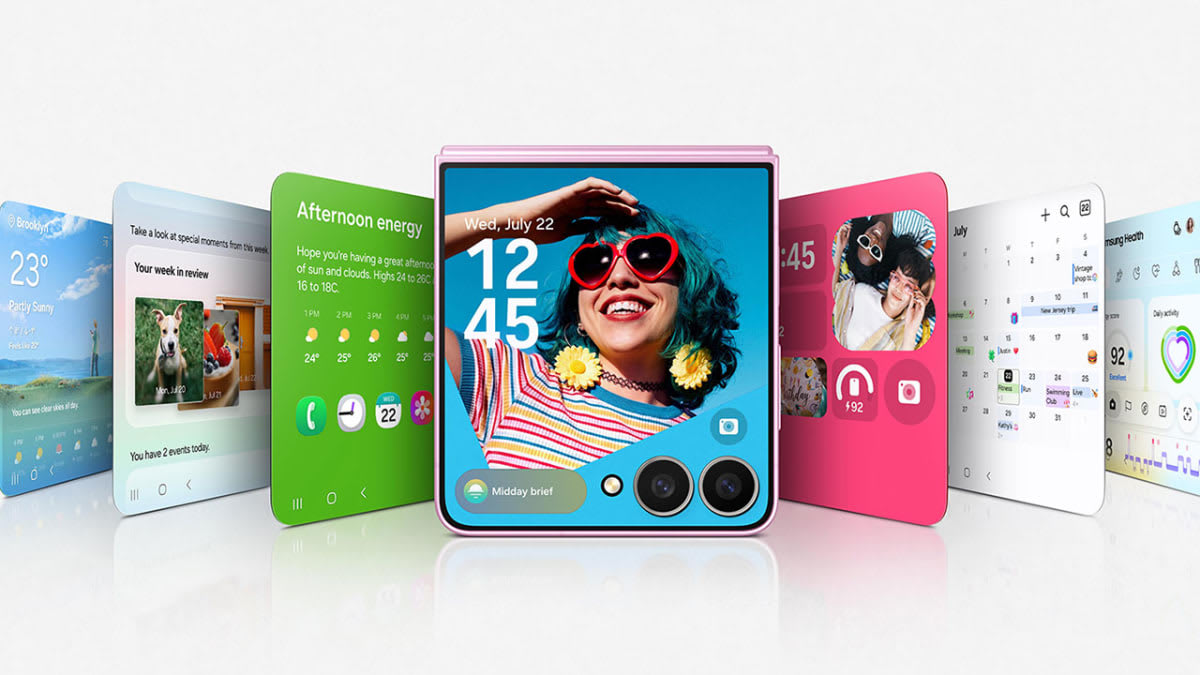
Galaxy Z Flip8
The Flip8 is the slimmest and lightest Flip Samsung has made, at 180g and 6.1mm unfolded, and the FlexWindow has finally graduated from a simple notification shelf to an actual interface, running full apps, Now Brief and Gemini shortcuts without having to open the phone at all.
A 50MP wide and 12MP ultra-wide lens sits on the back with Super Steady support picking up Horizontal Lock for filming while moving, and a new FlipShot mode exists specifically for mirror selfies.
The one detail that'll irritate spec sheet readers is the processor, because while both Folds run Snapdragon, the Flip8 uses Samsung's own Exynos 2600.
All three ship on Android 17 with One UI 9 and carry an IP48 rating. Graphite and Cream run across the range, with Violet Shadow on the Fold8 Ultra, Lavender on the Fold8 and Pink on the Flip8, while Green Shadow, Pistachio and Mint are online only.
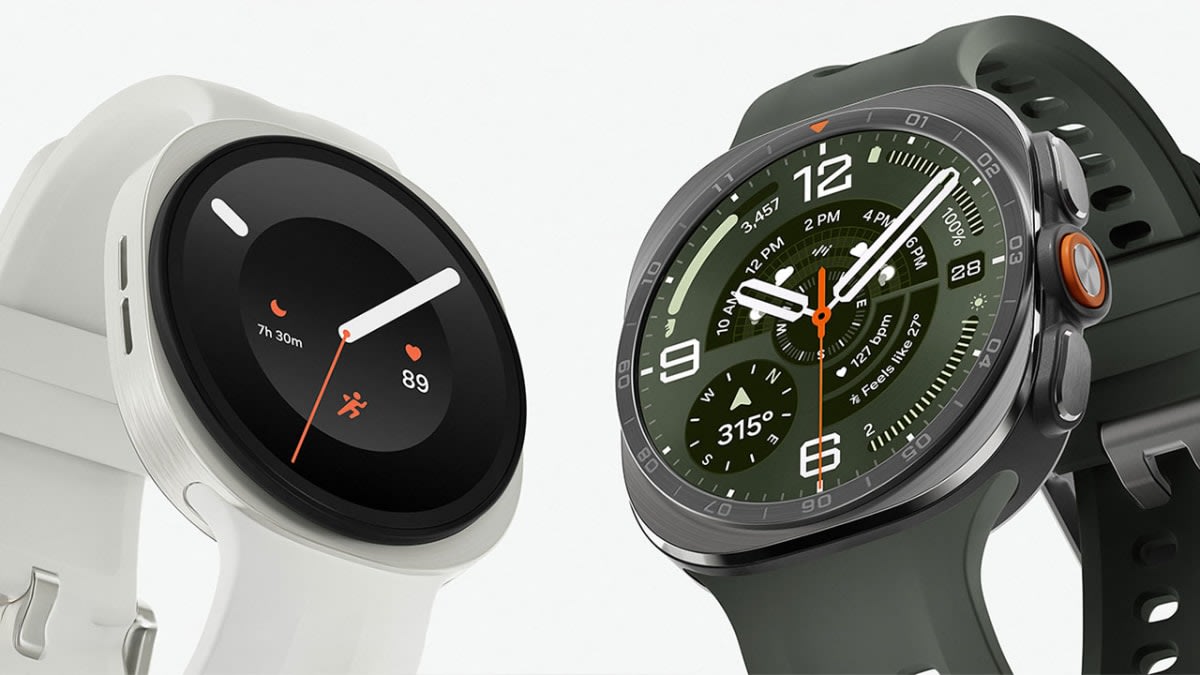
Galaxy Watch Ultra2 and Watch9
The Watch Ultra2 arrives in a single 47mm size and the numbers have improved significantly. The battery climbs to 800mAh, 35 per cent larger than the previous Ultra, and Samsung has managed that while making the case 12 per cent thinner, which is the opposite of how these things normally go.
Samsung claims 5,000 nits of peak brightness and reckons that makes it the brightest smartwatch display available anywhere, a conclusion drawn from research Samsung itself carried out, so take that with a pinch of salt.
Where the Ultra2 gets convincing is in the water and on a hill. It's rated 10ATM and IP69K and carries EN13319 dive certification, with a diving app developed alongside Mares landing later this year and staying exclusive to the Ultra2 for two years. Trail Run tracks elevation, climbing progress and terrain impact, and a new Nutrition Alert builds on the existing sweat loss tracking by estimating fluid loss against your body weight and telling you when to drink. If your weekends involve the Kepler or the Poor Knights, that's the whole sales pitch in two sentences.
The Watch9 is the sensible everyday one, coming in 40mm and 44mm, aluminium rather than titanium, with a 3,000-nit display. Both watches run the new Snapdragon Wear Elite platform on Wear OS 7 and pick up Vitals, a Heart Health Score, Daily Cardio Load, a Fitness Index and alerts for unsafe noise levels.
Does Galaxy AI work in New Zealand?
Now for the bad news. New Zealand gets a lot here, but not everything. Samsung is selling this entire line-up on Gemini Intelligence and app automation stretching across more than 40 apps and services. We've seen the adverts where you tell your phone to find somewhere for dinner and it goes off and books the table. It all looks great until you read the footnotes.
That automation feature currently works in the United States and Korea, in English and Korean, and Samsung says supported regions and languages will expand further this year without naming a single one of them.
The second footnote is the one that matters here, and it's refreshingly blunt. It states that availability in New Zealand may differ from other markets, that some features and third-party app integrations have not launched here, and that they may become available later or not at all.
So if you're a Kiwi, Samsung is telling you, before you have spent a cent, that the advertising does not entirely apply to us. Now none of this is unusual, it's the standard arrangement for a market our size, but knowing that in advance doesn't make it any less annoying when some of the better features turn out to be features for somebody else.
What works in New Zealand from day one
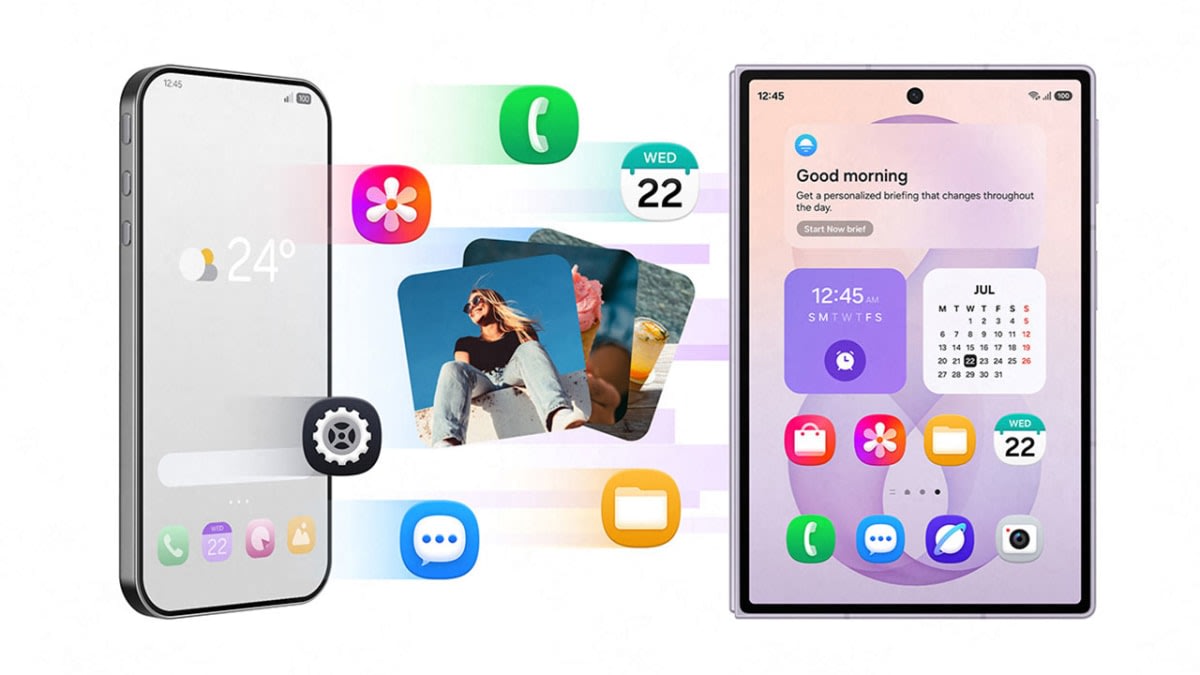
On all three new foldables and the S26 series Quick Share now talks to AirDrop in both directions. This is great. After years of Android users emailing themselves photographs this could be the most useful thing Samsung announced. In a country where the average group chat is overwhelmingly iPhone, it removes the single most tedious argument for not buying a Galaxy.
Smart Switch has had a decent overhaul as well. iPhone owners scan a QR code and transfer wirelessly without installing anything, and it now carries passwords, passkeys, call history, accessibility settings and eSIM details across rather than leaving you to rebuild half your digital life by hand on a Sunday afternoon. Once everything's moved over, your old handset is usually worth more than you'd think.
Every buyer gets six months of Google AI Pro with 5TB of cloud storage. And New Zealand appears on the list of 23 markets eligible for the two-month iFIT trial bundled with the watches, which makes a pleasant change from being the country quietly missing from the footnote. The 60-day Strava trial is also worldwide.
FAQ
What is the difference between the Galaxy Z Fold8 and the Fold8 Ultra?
The Ultra is the flagship, with an 8-inch main display, a 200MP wide camera plus a 3x telephoto, a 5,000mAh battery and 8K video. The Fold8 is a new wider shape built around watching and reading, with a 7.6-inch 4:3 main display, a 10:16 cover screen, a dual 50MP camera and no telephoto. At 201g it's the lighter of the two and the lightest Fold Samsung has made.
Does Galaxy AI work in New Zealand?
Not all of it. Samsung's own fine print says Gemini app automation is currently limited to the United States and Korea, and that availability of AI features in New Zealand may differ from other markets, with some features not launched here and some that may never arrive.
Can the Galaxy Z Fold8 send files to an iPhone?
Yes. Quick Share now works with AirDrop in both directions on the Galaxy Z Fold8 Ultra, Fold8, Flip8 and the S26 series, so moving files between Galaxy and Apple devices no longer requires a workaround.
What is new on the Galaxy Watch Ultra2?
An 800mAh battery, 35 per cent larger than the previous Ultra, in a case 12 per cent thinner. Samsung claims 5,000 nits of peak brightness. It adds Trail Run tracking, a Nutrition Alert for hydration, and a diving app developed with Mares arriving later this year.