
Apple Watch Series 12 Review NZ: The Upgrade Is on the Inside
Apple's new watch is almost impossible to tell apart from last year's. Underneath, though, the health tracking has been rebuilt from scratch, and that changes who should buy one.
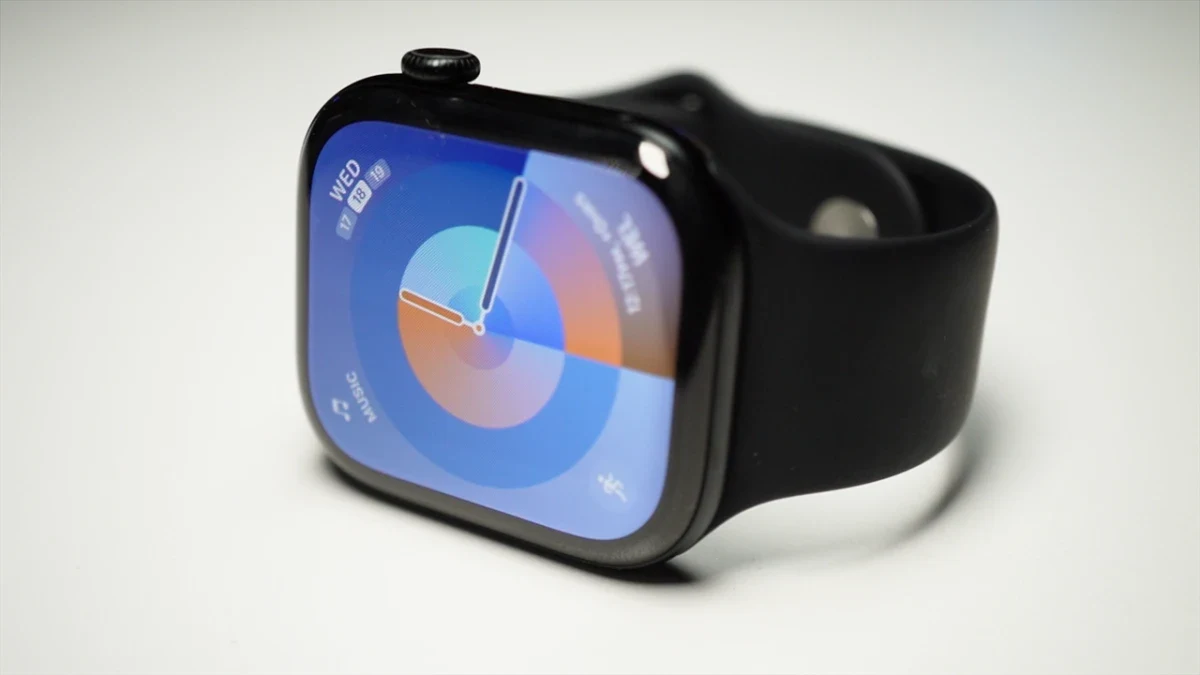
Apple's new watch is almost impossible to tell apart from last year's. Underneath, though, the health tracking has been rebuilt from scratch, and that changes who should buy one.
Sit the Apple Watch Series 12 next to the Series 11 and you'd be hard pressed to spot the difference. What Apple has changed is the part you can't see, the heart sensor and the health tracking built on top of it, and that makes this a very different upgrade depending on which watch you're wearing now.
For this Apple Watch Series 12 review, I've been using the aluminium GPS model, testing the heart tracking, step counting, charging and the new listening features, with NZ pricing and availability included so you can work out whether it's worth buying here.
The Series 12 starts at $749 for the 42mm aluminium GPS model and $849 for the 46mm. That's the same starting price as the Series 11 and Series 10, which is a nice change from the usual story of NZ prices creeping up every year (we've written about why tech costs so much here before).
Adding cellular puts another $200 on top, so the 42mm aluminium cellular model is $949, and you'll need a mobile plan for the watch on top of that. Titanium starts at $1,399, and ceramic is back for the first time since 2020, starting at $1,859.
Every Series 12 gets the same sensor and the same chip, whatever the case is made of. Titanium and ceramic do get a sapphire front crystal, but unless you love the premium finish, the aluminium model is the one I'd buy.
It isn't cheap, but it isn't overpriced either. Samsung's Galaxy Watch9 starts at about $680, and Garmin's Venu 4 sits at $1,099.
The bigger point for iPhone owners is that there isn't much competition. Samsung's and Google's watches don't officially work with an iPhone at all, and the ones that do, like Garmin, can't reply to your messages or use Apple Pay. So, if you've got an iPhone, $749 is a fair price for what you get, and the realistic alternatives are thin, meaning the only real alternative is an older Apple Watch.
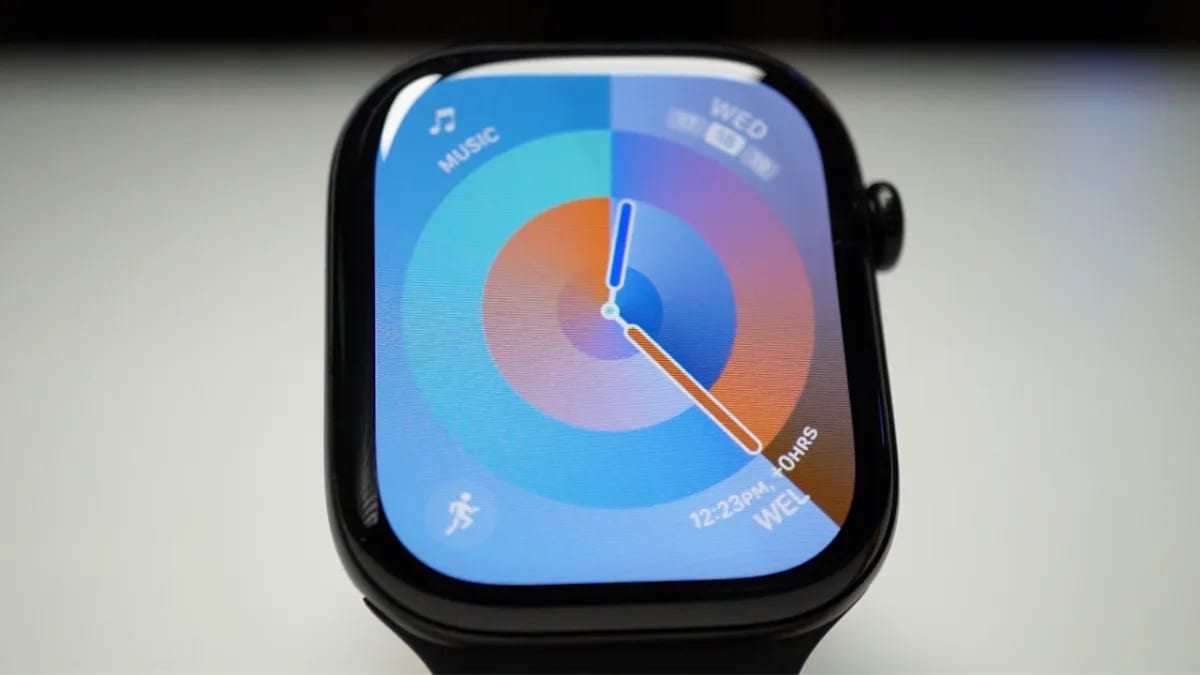
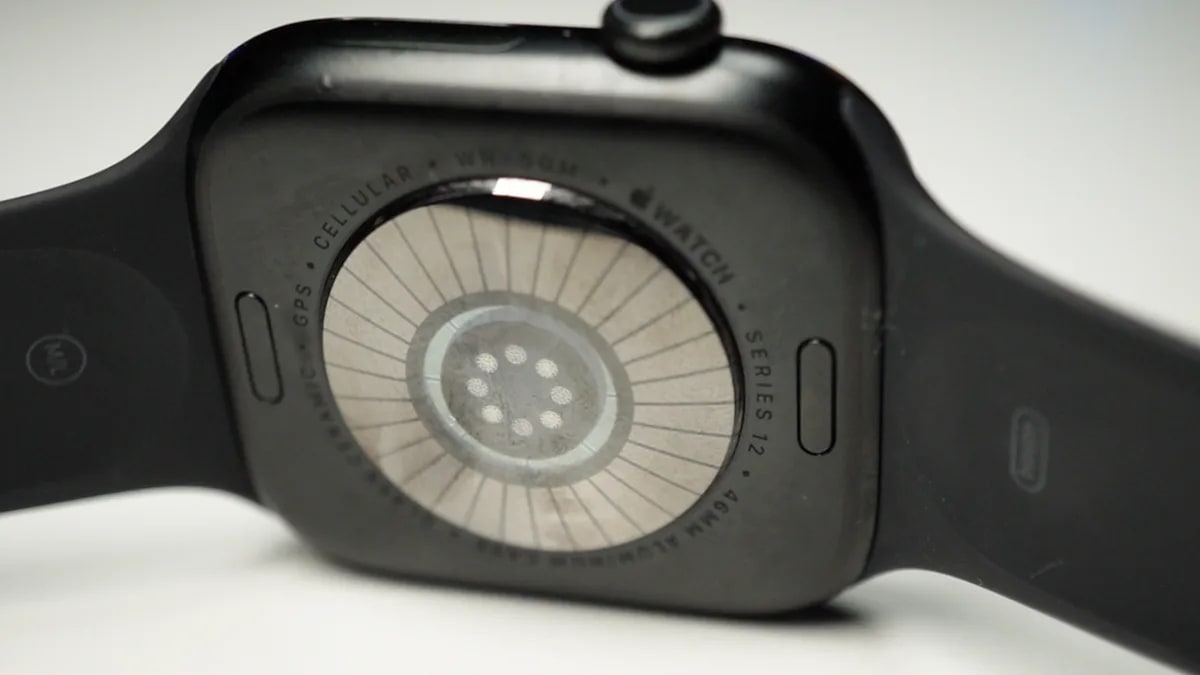
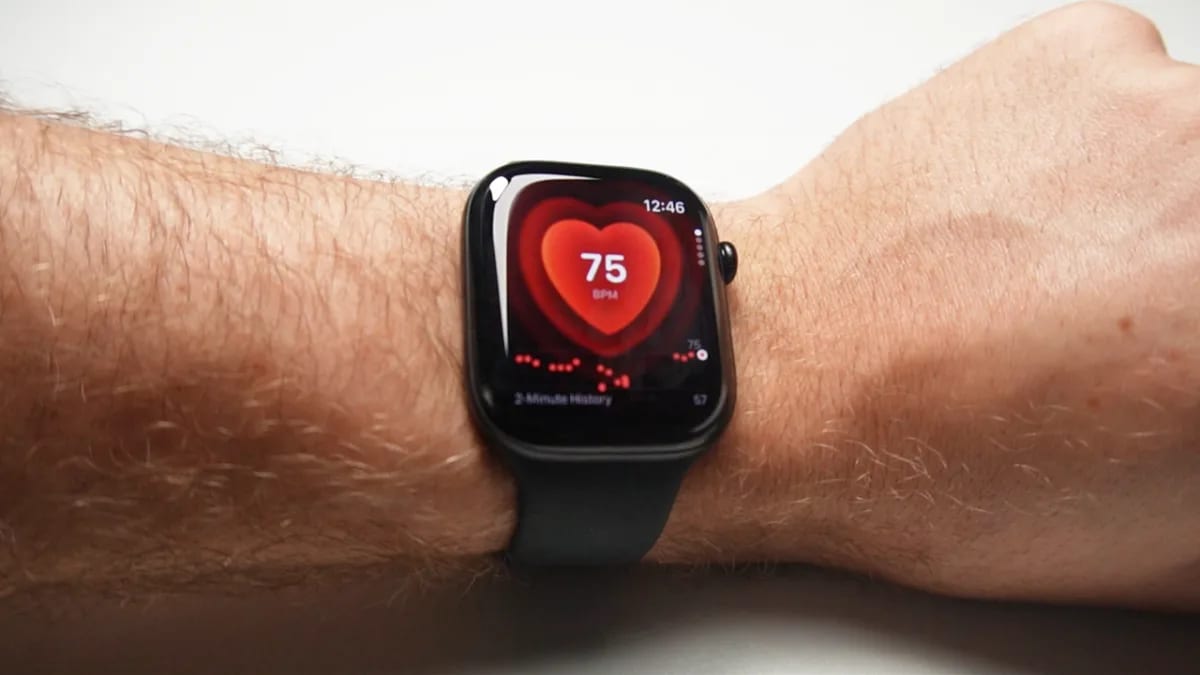
This is the main event. Apple has rebuilt the sensor with larger lights, a new electrical sensor and has paired it with the faster S11 chip. The result is that the Series 12 now checks your heart rate every five seconds, all day, instead of every few minutes.
In my testing, it's the most accurate heart tracking I've had from any watch. Whether I was halfway through a workout or slumped on the couch in front of the TV, the readings were spot on, and they've stayed that way. Other watches I've used have started drifting into strange numbers after a few weeks, and the Series 12 hasn't.
The other thing I've come to love is that you can wear it a little looser and still get good readings. Most watches I've reviewed only behave when they're strapped on tight, so being able to relax the band makes a real difference to how comfortable it is over a full day.
Apple calls this the most accurate heart rate sensing in any wearable. Based on everything I've worn, I'm not going to argue, however I'm also not going to claimed I've tested every wearable out there.
It also measures heart rate variability up to 24 times more often, and if you care about stress and recovery, that's the number you'll want to keep an eye on, and that being more accurate, is a massive upgrade.
All that extra heart data feeds into a new feature called Readiness, and it's my favourite addition this year. It weighs up your recent activity, training, vitals and sleep, then gives you a score out of ten along with a plain answer: Recover, Pace Yourself, Ready, or Go For It.
That's what I want from a smartwatch. Instead of giving me a truckload of numbers to interpret, it tells me simply whether today's a gym day or a couch day, and it's surprisingly hard to argue with when you've slept badly.
Everything you'd expect from an Apple Watch is still here as well, including the ECG app, sleep score and fall detection, and many of those features now benefit from the better heart data underneath. That's where Apple should be pushing. Calls, texts and emails feel much the same on any smartwatch these days, so health is the area with room left to improve, and this year it shows.
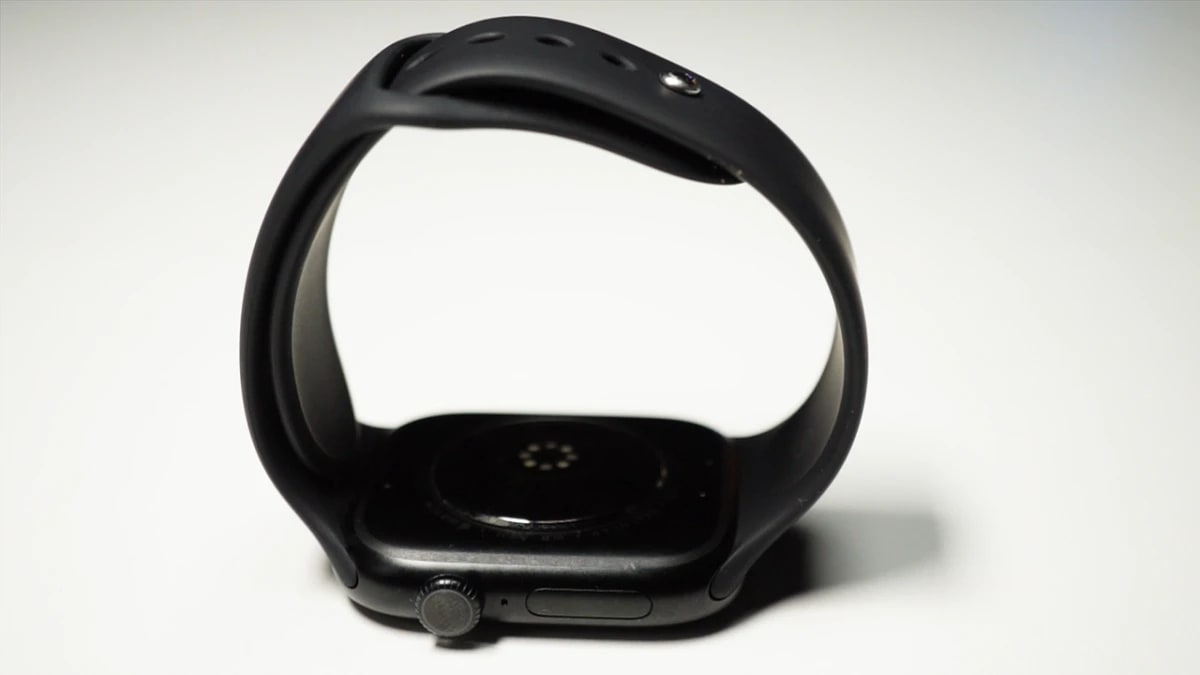
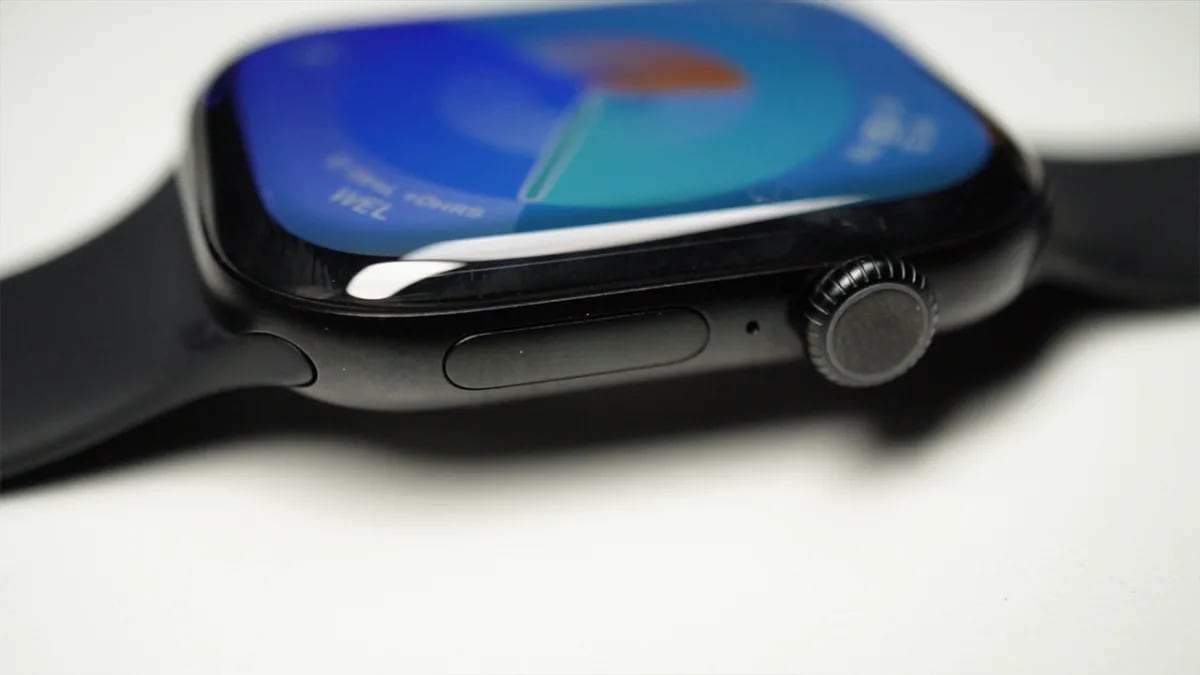
Barely, and I'm mostly fine with that. If you're coming from an older Apple Watch, you'll feel at home straight away with the same square face and rotating crown, and it's still swimproof to 50 metres and dust resistant.
The aluminium models now get Ceramic Shield 2 glass, which Apple says is 60 percent tougher than before. I wasn't about to throw mine at the driveway to test that, but for something that spends its life getting clipped on doorframes, I'll happily take it. The standard band took me a little while to get used to, but because I can wear it loosely, it's comfortable enough to forget about.
Apple has retrained the step counter so it keeps counting when your arms aren't swinging, so I put it to the test. A normal 100 step walk, with a slight slope at the end, came back as 102. Then I walked another 100 steps with a dumbbell in each hand, and it still counted 97.
If you've ever carried the groceries across a supermarket car park, and watched your step count completely ignore you, that's a fix you'll notice.
Apple has also given the Series 12 a set of listening features it calls Audio Intelligence. The most useful one right now is Sound Recognition, which you might already know from the iPhone. It now runs on the watch itself, so alerts come through on your wrist even when your phone is in another room.
In my testing it caught sirens reliably but had a harder time with my smoke alarm, so it isn't perfect. Even so, for anyone who's deaf or hard of hearing, I can see it being a big help. Shazam now works automatically too, and it was every bit as quick and accurate as using it on a phone.
Two more features are on the way. Live Rewind shows the last 15 seconds of a conversation as text when you double press the crown, which is ideal for when someone's name has gone straight out of your head two seconds after hearing it. Siri Recap, meanwhile, summarises your conversations. Apple says the audio is never stored, but both features are still in beta, English only, and need an iPhone 16 or newer. I don't have one, so I can't tell you how well they work yet, but if they sound useful in your day to day, they're on the way.
This is the one area where I wish Apple had gone further. The Series 12 is still rated for up to 24 hours, which means you'll be charging it every day, just like before.
Charging is faster, at least. Apple says 15 minutes on the charger now gets you up to 12 hours of use, up from 8 hours on the Series 11, but that figure comes from ideal conditions, starting from flat with Apple's own 20W adapter. In everyday use on a fast charger, I got roughly a third of my battery back in 15 minutes.
If you're coming from an older watch, that's a huge improvement. On a Series 11, you might not notice much. Either way, a quick top up while you're getting ready in the morning covers you for the day, and it means the watch can stay on overnight to track your sleep, which is exactly what the Readiness score needs.
| Case sizes | 42mm and 46mm |
| Case materials | aluminium, titanium, ceramic |
| Chip | S11 |
| Display | Always-On Retina, LTPO3, up to 2,000 nits |
| Front glass | Ceramic Shield 2 (aluminium), sapphire crystal (titanium and ceramic) |
| Heart rate | background readings every five seconds |
| Battery | up to 24 hours, up to 38 hours in Low Power Mode |
| Fast charging | about 0 to 80 percent in 30 minutes; 15 minutes for up to 12 hours |
| Water resistance | 50 metres |
| Compatibility | iPhone 11 or later with iOS 27 or later |
| NZ price | from $749 |
The Apple Watch Series 12 is an upgrade I'd recommend most people seriously consider. The rebuilt heart sensor is the most accurate I've used, Readiness is a feature I check every morning, and faster charging takes the sting out of the daily charge.
The exception is Series 11 owners. I'm not convinced the jump is big enough yet, so I'd hang on to what you've got. But if you've been wearing the same Apple Watch for four or five years, this is a big leap, and it might finally be time to upgrade.

Razer built a gaming headset that’s meant to leave the house. I gamed and commuted with it to find out whether looking like normal headphones costs it anything at the desk.
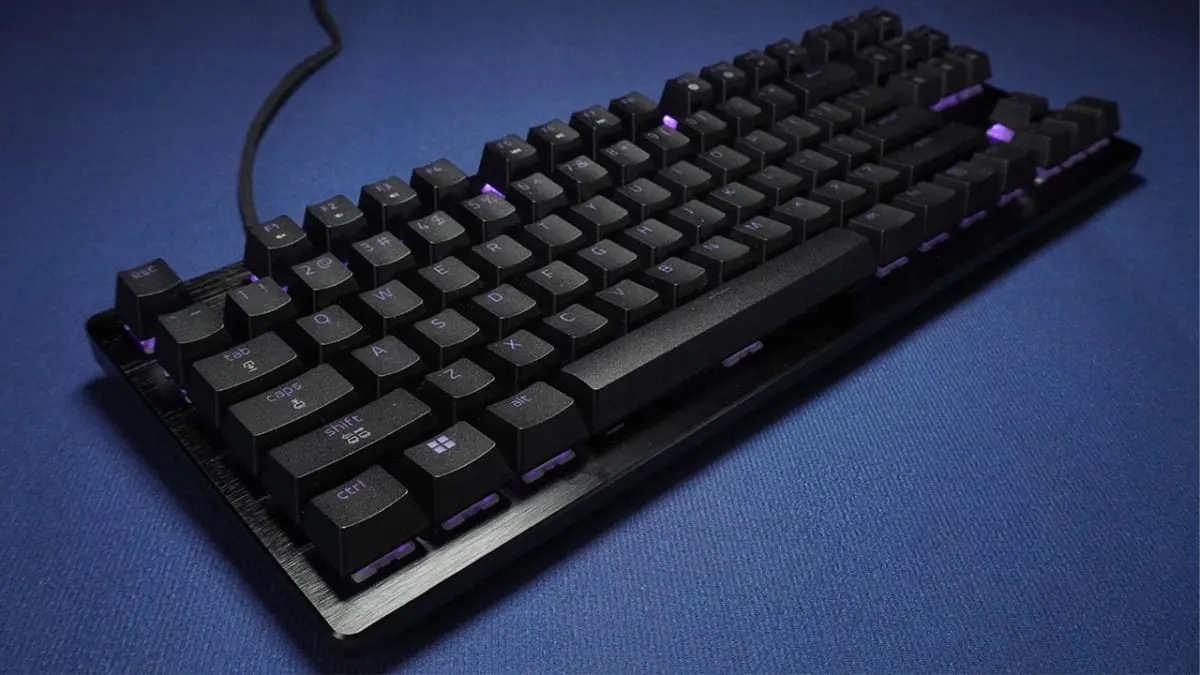
After years of insisting it didn't need magnets, Razer has built a magnetic keyboard. At $239 it's cheaper than its rivals here, and it gets there by leaving a lot out. Here's whether the trade is worth making.