The NZ Social Media Ban for Under-16s: A Parent's Guide
New Zealand has a bill to keep under-16s off Instagram, TikTok and YouTube, but it isn't law and won't be for a while. Here's what it would change for your family, and what to do now.
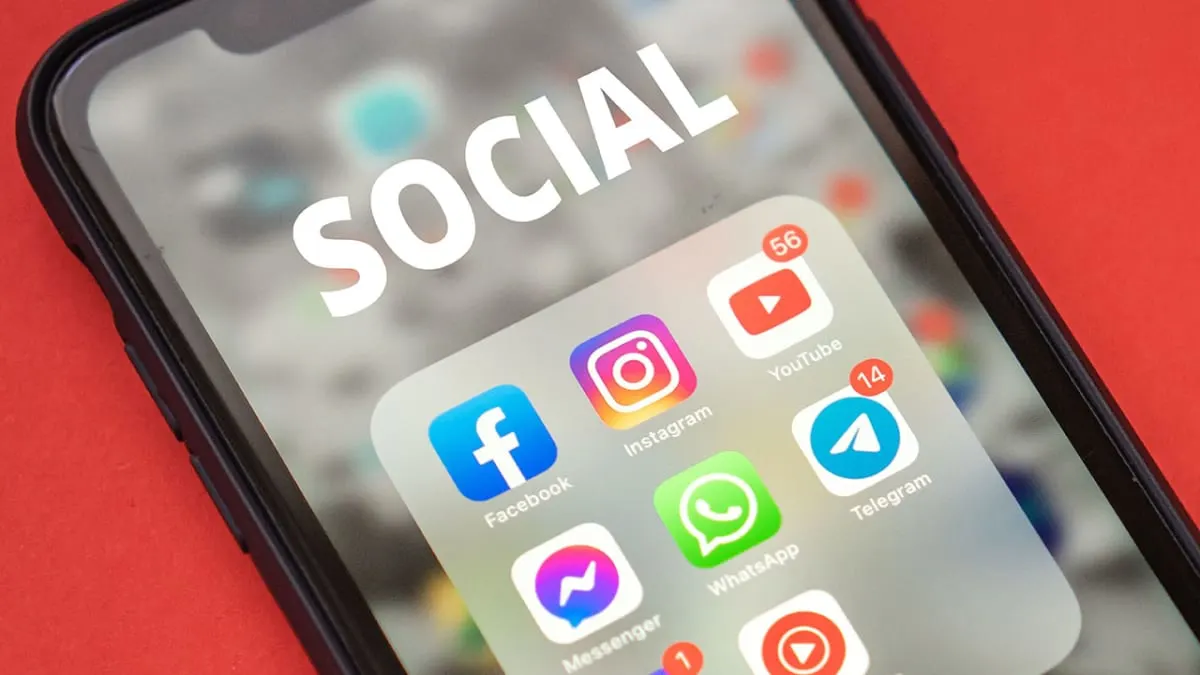
New Zealand has a bill to keep under-16s off Instagram, TikTok and YouTube, but it isn't law and won't be for a while. Here's what it would change for your family, and what to do now.
The NZ social media ban for under-16s is a real bill, written down and published, with penalties of up to NZ$40 million for platforms that ignore it. It is also not law. If your 14-year-old is on TikTok tonight, nothing about that is illegal, and nothing will change this year.
I've gone through the bill, the official explanatory material and the politics, so this guide covers everything a parent needs. That means which apps are caught, how age checks would work, what happens to your kids' existing accounts, when it could start, and what I'd do in the meantime.
The quick answer. New Zealand's under-16 social media ban is a proposed law, not a current one. The bill was introduced on the 24th of August 2026 but lapsed when Parliament was dissolved on the 1st of October, before it had a first reading. After the 7th of November election, the new Parliament can bring it back. If it passes, it starts six months after Royal assent. Kids and parents face no penalties. Only platforms do.
No. It's still only a proposal. The Online Safety (Minimum Age and Child Safety Risk Assessment) Bill went into Parliament on the 24th of August 2026, but MPs never voted on it.
There are two reasons it stalled. First, National didn't have the numbers on its own, because its coalition partners ACT and NZ First both said they would vote against it. Labour offered to fill that gap. By then, though, the Government said there wasn't enough time left to fit the vote in before the election.
Then Parliament closed down for the election on the 1st of October. When that happens, any bill that hasn't passed is put on hold. After the election, the new Parliament can choose to bring it back. If it does, the bill starts from where it left off, which in this case is right at the beginning.
| Bill name | Online Safety (Minimum Age and Child Safety Risk Assessment) Bill |
| Introduced | The 24th of August 2026 |
| Current status | Lapsed at dissolution, can be reinstated after the election |
| Minimum age | 16 to hold an account |
| Accounts covered | New and existing |
| Starts | Six months after Royal assent |
| Penalties for kids and parents | None |
| Maximum platform penalty | NZ$40 million or 10% of global turnover, whichever is greater |
| Regulator | A new online safety regulator inside the Department of Internal Affairs |
| Review | Minister must review how it's working within two years of it starting |
This has been building for over a year. Here are the key dates.
Date | What happened |
|---|---|
May 2025 | National MP Catherine Wedd lodges a member's bill for an under-16 ban |
December 2025 | Australia's under-16 social media restrictions take effect |
March 2026 | Parliament's Education and Workforce Committee reports that online harm to young Kiwis is severe and needs an urgent response |
May 2026 | Work on the member's bill is put on hold while the Government drafts a broader law |
24th of August 2026 | The Government introduces the Online Safety Bill |
25th of August 2026 | Labour says it will back the bill to select committee |
1st of October 2026 | Parliament is dissolved and the bill lapses |
7th of November 2026 | General election |
Not before 2027, and probably later. This is how the process would have to play out:
The new Parliament meets after the 7th of November election.
The House votes to reinstate the bill. A new government could also choose to drop it.
The bill has its first reading.
A select committee takes public submissions and recommends changes. This usually takes months.
The bill has its second and third readings, then Royal assent.
The ban starts six months after Royal assent.
Royal assent is when the Governor-General signs a bill into law after it passes its final vote in Parliament. It's a formality and usually happens within days. But it isn't the moment the rules start. This bill builds in a six-month gap after Royal assent, so platforms have time to set up their age checks.
My estimate is late 2027 at the very earliest, and only if the next government gives it priority. 2028 is more realistic. That's my read of how long the process normally takes. There is no official start date, and nobody can give you one yet.
The bill doesn't list apps in the law itself. It describes features, and any platform that has them gets caught. That's deliberate, so new apps can't slip through just because they weren't around when the law was written.
A platform is covered if users can share content with each other and it has at least one of these features:
Recommendation algorithms, such as explore or discover pages built to keep you engaged
Endless feeds with no natural stopping point
Feedback counts, like likes, reposts or view numbers
Disappearing content, such as stories or messages that vanish
A second category covers AI companion apps, meaning chatbots designed to act as a friend or partner. Those would be off limits for under-16s too.
Some services are deliberately left out. These are services that are mainly about private messaging, gaming, music, reviews, professional networking, education or health. The Government's own explanatory note names several of them, according to Bell Gully's analysis of the bill.
App | Covered by the ban? | Why |
|---|---|---|
Yes | Named by the Government as high risk | |
TikTok | Yes | Named by the Government as high risk |
Snapchat | Yes | Named by the Government as high risk |
Yes | Named by the Government as high risk | |
YouTube | Yes | Listed as high risk in reporting on the bill; the minister confirmed it would need age checks |
X | Yes | Listed as high risk in reporting on the bill |
AI companion apps | Yes | A separate category in the bill |
Roblox | No | Gaming platforms are excluded |
Discord | No | Named as excluded in the explanatory note |
No | Messaging is excluded | |
Spotify | No | Music is excluded |
ChatGPT | No | General AI chatbots are excluded; only companion apps are caught |
No | Professional networking is excluded |
The Roblox and Discord exclusions will surprise plenty of parents, given how much time kids spend on both. The Government can add more platforms later through regulations, though, so this list isn't fixed.
This affects adults too. A platform can't find the under-16s without checking everyone's age, so you would likely be asked to prove yours as well.
The bill is specific about what doesn't count as a proper check:
Typing in a date of birth doesn't count on its own.
A platform can't make a passport or driver's licence the only option.
A platform can't rely only on a digital ID service either.
In practice, that leaves two main methods. The first is facial age estimation, where you take a quick selfie and software estimates your age. The second is age inference, where the platform works out your age from what it already knows, such as how long your account has existed and how you use it.
There is a privacy safeguard built in. Information collected for an age check can't be used for anything else, and it must be destroyed once the check is done.
It's covered. The bill applies to accounts created before it starts, as well as new ones. So a 14-year-old who has had Instagram for two years would lose access once the law takes effect.
Most of these apps already set 13 as their minimum age in their own terms of service. The bill raises that to 16 and makes the platforms prove they are enforcing it.
No. Education Minister Erica Stanford has been clear that no penalties are proposed for children, parents or caregivers. If your teenager gets around the ban, your family hasn't broken any law. The platform that let them in is the one that's on the hook.
Penalties for platforms are tiered. The highest tier is NZ$40 million or 10% of global turnover, whichever is greater. The lowest tier is NZ$4 million or 1% of global turnover.
The last resort is blocking. The regulator can go to the High Court and ask for an order forcing internet providers and app stores to block a platform for everyone in New Zealand, adults included.
Could a big platform just walk away from New Zealand instead? Global tech companies already treat us as a rounding error on someone else's spreadsheet, so it's a fair question. I doubt it happens though. Meta, TikTok and Google already run age checks under almost identical rules in Australia, so adding New Zealand would cost them very little.
Yes, and the bill doesn't try to stop that. Stanford has confirmed the bill doesn't ban VPNs.
In practice, a VPN probably won't be the main workaround anyway. The bigger gaps are kids using a parent's account, an older sibling passing the face scan for them, or kids simply moving to apps that aren't covered.
Partly. Australia is the best evidence so far, because its ban has been in force since the 10th of December 2025.
In the first weeks, platforms removed or restricted about 4.7 million accounts they believed belonged to under-16s. Australia's eSafety regulator then followed more than 4,000 families. Its first evaluation found that the share of under-16s holding a social media account fell from 52.4% to 42.1% three months after the ban started.
The same report found that overall use barely moved. Before the ban, 85.9% of under-16s used social media in some form, with or without an account. Three months later it was 81.5%. eSafety said the main reason was that platforms weren't checking ages properly.
So the honest summary is that a ban reduces accounts more than it reduces use. The New Zealand Government admits it won't get every child off social media. Its own analysis describes the evidence as mixed. What the law would change most is who carries the responsibility, moving it from parents to the companies that design these apps.
This matters more than usual, because National can't pass the bill without help.
Party | Position on the bill |
|---|---|
National | Supports it; introduced it |
Labour | Will back it to select committee, wants significant changes |
ACT | Opposed |
NZ First | Opposed |
Greens | Opposed |
Labour leader Chris Hipkins has said the bill needs improvement, but that he won't let a quest for perfection delay progress. If National and Labour both hold those positions after the election, the bill has the numbers to move, whichever of them leads the next government.
Here's my verdict: don't wait for Parliament. Even in the best case, you're well over a year away from any change, and the bill doesn't touch Roblox or Discord at all. These steps work today, they're free, and they don't depend on how the election goes.
If your child has an iPhone, Apple's Screen Time lets you approve app downloads, set daily limits and block apps entirely. If they're on Android, Google's Family Link does the same job. Controls set on the device itself work no matter what the apps do or don't check.
Plenty of kids signed up at 10 by fibbing about their birthday, so the app thinks they're an adult. That means they miss out on whatever teen protections the app already has. Sit down together and look at what age each account shows.
Roblox and Discord are outside the bill, but they're where a lot of kids spend their time. Go through the privacy and contact settings on both. Pay particular attention to who can message your child.
Netsafe offers free, confidential advice on online bullying, abuse and scams. Call 0508 638 723, text "Netsafe" to 4282, or report online through its website.