
iPhone Ultra NZ: It's coming, but at what cost?
After eight years of watching Samsung do it, Apple has a folding phone. Here is what the foldable iPhone is, what it could cost in New Zealand, and whether we will be able to buy one.
After eight years of watching Samsung do it, Apple has a folding phone. Here is what the foldable iPhone is, what it could cost in New Zealand, and whether we will be able to buy one.
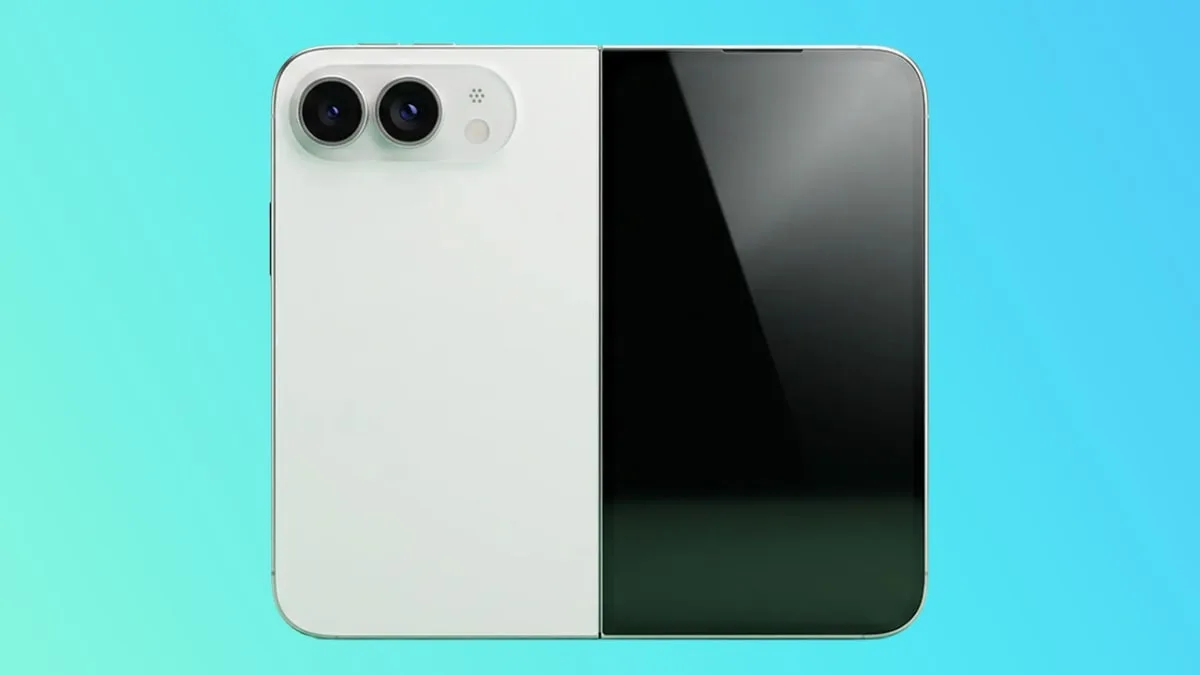
The foldable iPhone is finally real, and reporting says Apple is calling it the iPhone Ultra.
Ultra. Again. We already have the Apple Watch Ultra, the M series Ultra chips, and a Galaxy S Ultra from Samsung every February. The word has been doing heavy lifting across this industry for years and now means roughly "this one is dearer." At some point somebody in a marketing meeting is going to have to reach for a new adjective, and I would like to be there when it happens.
Name aside, this is the first genuinely new iPhone shape since 2017, and the first Apple product in years that people who do not care about phones will pick up in a shop. It's rumored to be shown at Apple's event on Wednesday 9 September in California, which is 5am Thursday for us.
Apple's first foldable iPhone is expected to be revealed at its event on 10 September, New Zealand time, reportedly under the name iPhone Ultra. TrendForce estimates a US start of US$2,099 to US$2,299, which works out around NZ$4,500 to NZ$4,900 here. Reports point to a United States first launch with other markets waiting two to three months.
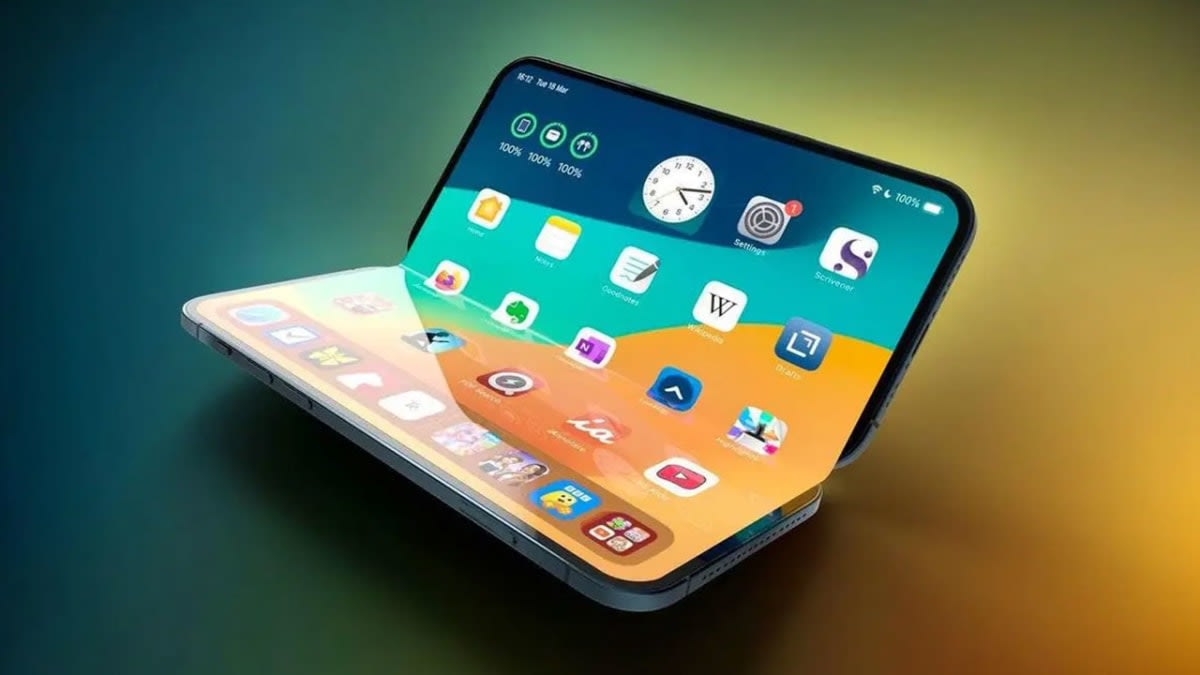
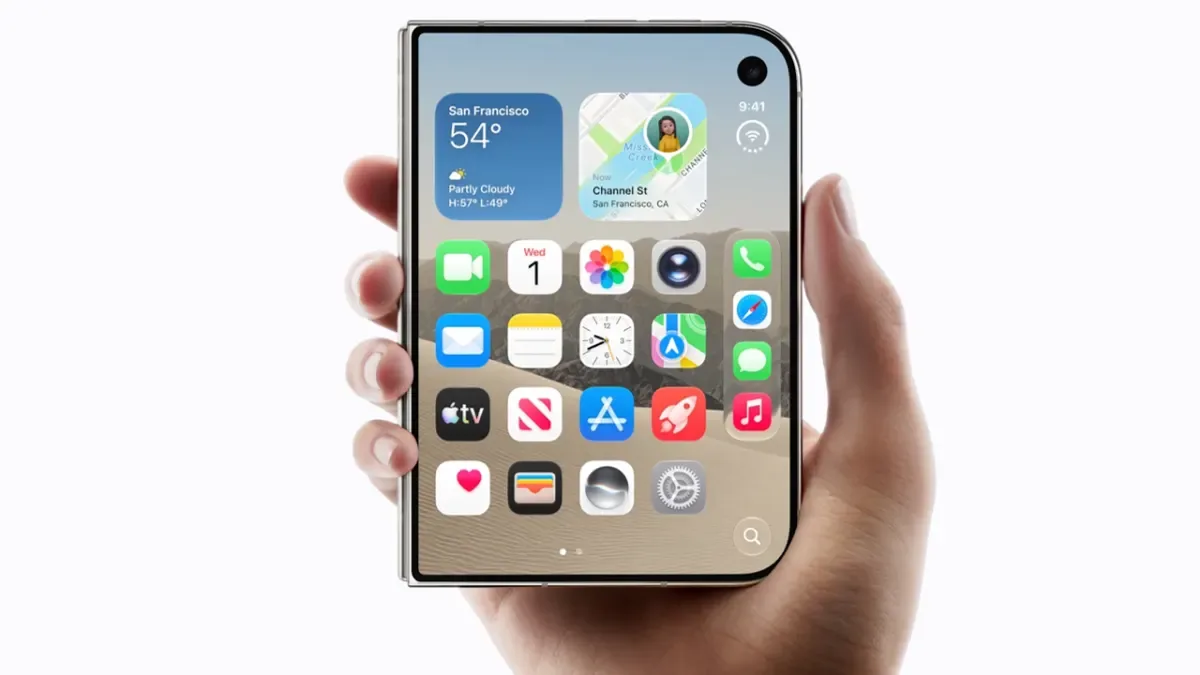
A book style folding phone. A small screen on the outside for the things you do standing at a bus stop, and a larger screen inside when you open it out.
Samsung has been doing this since 2019 and has spent six generations fixing hinges, creases and weight. Apple watched all of it, which is the usual play. Late to big screens, late to styluses, late to wireless charging, and each time it turned up with the version most people ended up buying.
Everything below comes from TrendForce's supply chain research, published last week. Apple has not confirmed a single line of it, or that the phone exists.
Feature | Rumoured spec |
|---|---|
Inner Screen | 7.8 inch OLED, ProMotion up to 120Hz |
Outer Screen | 5.5 inch OLED |
Chip | A20 Pro, built on TSMC's 2nm process |
Memory | 12GB |
Storage | 256GB up to 2TB |
Rear Cameras | 48MP wide and 48MP ultra wide |
Front Cameras | 24MP |
Unlocking | Touch ID |
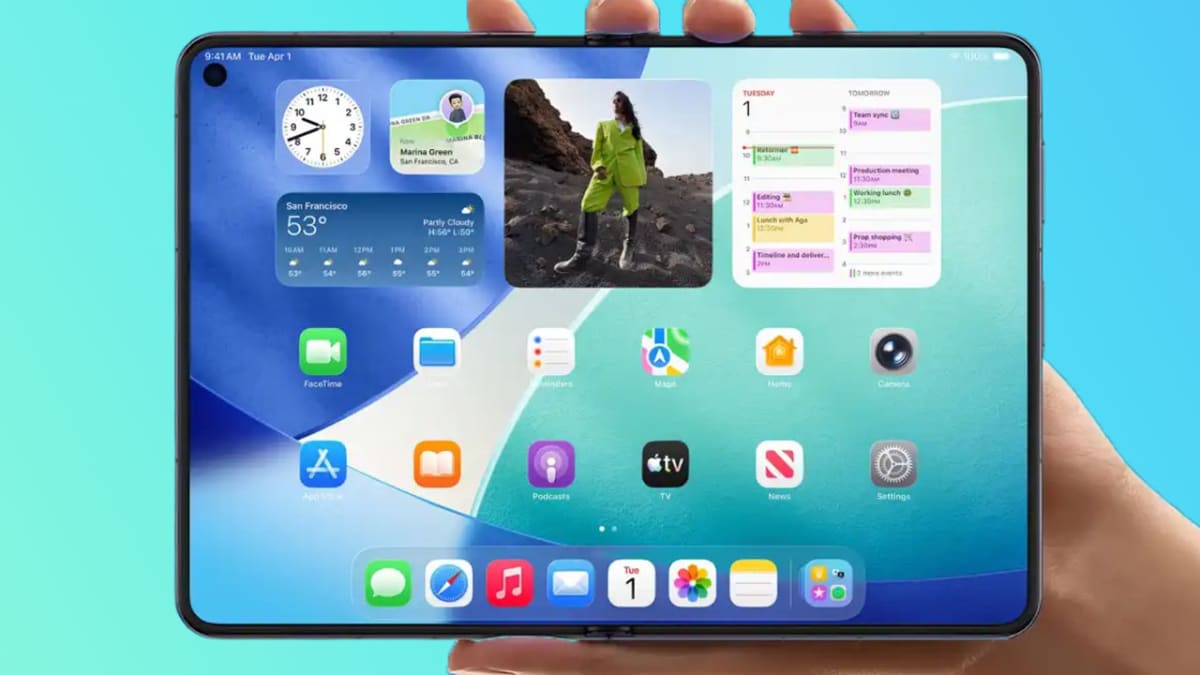
Two things stand out. That 7.8 inch inner screen is bigger than the display on the first five generations of iPad mini, so unfolded this is a small tablet rather than a big phone. And Touch ID rather than Face ID is a real change of habit for anyone coming off a modern iPhone, presumably because there is nowhere sensible to put the Face ID hardware on a phone that folds in half.
Not soon, going by the reporting.
Apple is building seven to ten million of these across the entire back half of 2026. It sells iPhones by the hundreds of millions. That is nowhere near enough to stock forty plus countries at once, and every supply chain report points the same direction: America first, everyone else two to three months later.
Ming-Chi Kuo has drawn the line back to the iPhone X, announced in September 2017 and not on sale until November. The sharper comparison is Vision Pro, which launched in the States and took months to turn up anywhere else.
Apple has publicly confirmed South Korea for the iPhone 18 Pro. It has confirmed nothing about the Ultra anywhere, and we have not appeared in any reported first wave. Anyone who has read why some products skip us entirely knows how this goes. New Zealand is an add on to a bigger regional decision, and when stock is this tight, add ons wait.
TrendForce has it starting at US$2,099 to US$2,299 for 256GB, with a fully loaded 2TB version going past US$3,000.
You cannot just run that through an exchange rate. Apple's New Zealand prices already carry GST and Apple's own margin, but the multiple it uses barely moves. The 17 Pro Max at 256GB is US$1,199 in the States and NZ$2,549 here, which is 2.13 times. Put the estimate through the same multiple and the cheapest Ultra lands around NZ$4,470 to NZ$4,900. Load it up and you are past NZ$6,000. So yeah, it's going to cost a fortune.
This is the bit that matters even if you would never own a folding phone.
Stick a NZ$4,500 iPhone on the same page as everything else and NZ$2,549 for a Pro Max stops looking like the top of the range. It starts looking like the sensible one. That is not a happy accident, it is the oldest trick in retail, and Apple is about to run it around the world.
So, watch what the iPhone 18 Pro costs on Thursday. Apple has already put Mac and iPad prices up here this year under the same component cost pressure, and a dearer Pro will feel almost reasonable sitting next to the iPhone Ultra at double the money.
My take: the Ultra is probably not for nearly everyone reading this, and there is no shame in that. First generation folding hardware is a leap of faith on hinges, screen coatings and functinoality, and NZ$4,500 is a lot to pay for the privilege of finding out how Apple's holds up. Watch it, enjoy it, then go and look at the 18 Pro.
Apple’s first folding iPhone is NZ$4,199 and on sale from the 23rd of October. Here’s every NZ price, what the telcos are knocking off, and the eSIM detail that catches people out.
Apple’s first smart display is coming to New Zealand at $599, and for once we’re in the first wave. The catch? The accessories Apple built to go with it are staying overseas.

The new Harry Potter series lands on HBO Max on the 25th of December. Here's how to watch it in NZ, the cheapest way to do it, and the Samsung TV catch.